For the record, I'm neither an academic nor a scholar, and admittedly, I've never been to many of the places posted here. So if someone should find a mistake, or believe I omitted something, please feel free to email me and I'll correct it.

I can be contacted at dms2_@hotmail.com.

Monday, April 8, 2019

ALEXANDRIA

Related image
courtesy Wikipedia

Alexandria is Egypt’s largest seaport and major industrial center lying on the Mediterranean coastline at the western end of the lush Nile Delta. Today, people think of it as an Arab Muslim city – one of many in the wide world of Arabdom. It is easy to understand why. With a population of approximately 4.5 million, the overwhelming majority of the population is, after all, Arab Muslim. However, Alexandria was not originally an Arab Muslim city. Originally, the area contained the important port cities of Canopus and Heracleion (built on, what is now, Abu Qir Bay) as well as the small Egyptian town of Rhacotis until 331 BCE when it was built into a city by Alexander the Great (a Greek). The territory of Rhacotis remained the Egyptian quarter of the city which came to be dominated by Greeks. At the time, no Arab lived there, or in any other part of Egypt. It was only with the Arab invasion and occupation of Egypt in 641 that the city (as well as the rest of Egypt) became Arab. Today, a substantial number of the local population, the Coptic Christians, are descendants of those early pre-Arab Egyptians.  
After the city’s founding, Alexandria was intended to supersede nearby Naucratis as a Hellenistic center in Egypt, and to be the link between Greece and the rich Nile valley. It became the intellectual and cultural center of the ancient world for some time. The city and its museum including the Library of Alexandria attracted many of the greatest scholars, including Greeks, Jews and Syrians. By the 4th century BCE, Alexandria inherited the lucrative trading networks of ancient Tyre and became the center of the new commerce between Europe and the Arabian and Indian East, and the city grew in less than a generation to be larger than Carthage. In a century, Alexandria had become the largest city in the world and, at one point, was second only to Rome. By the time of Augustus, the city walls encompassed an area of 5.34 km2, and the total population in Roman times was around 500-600,000.
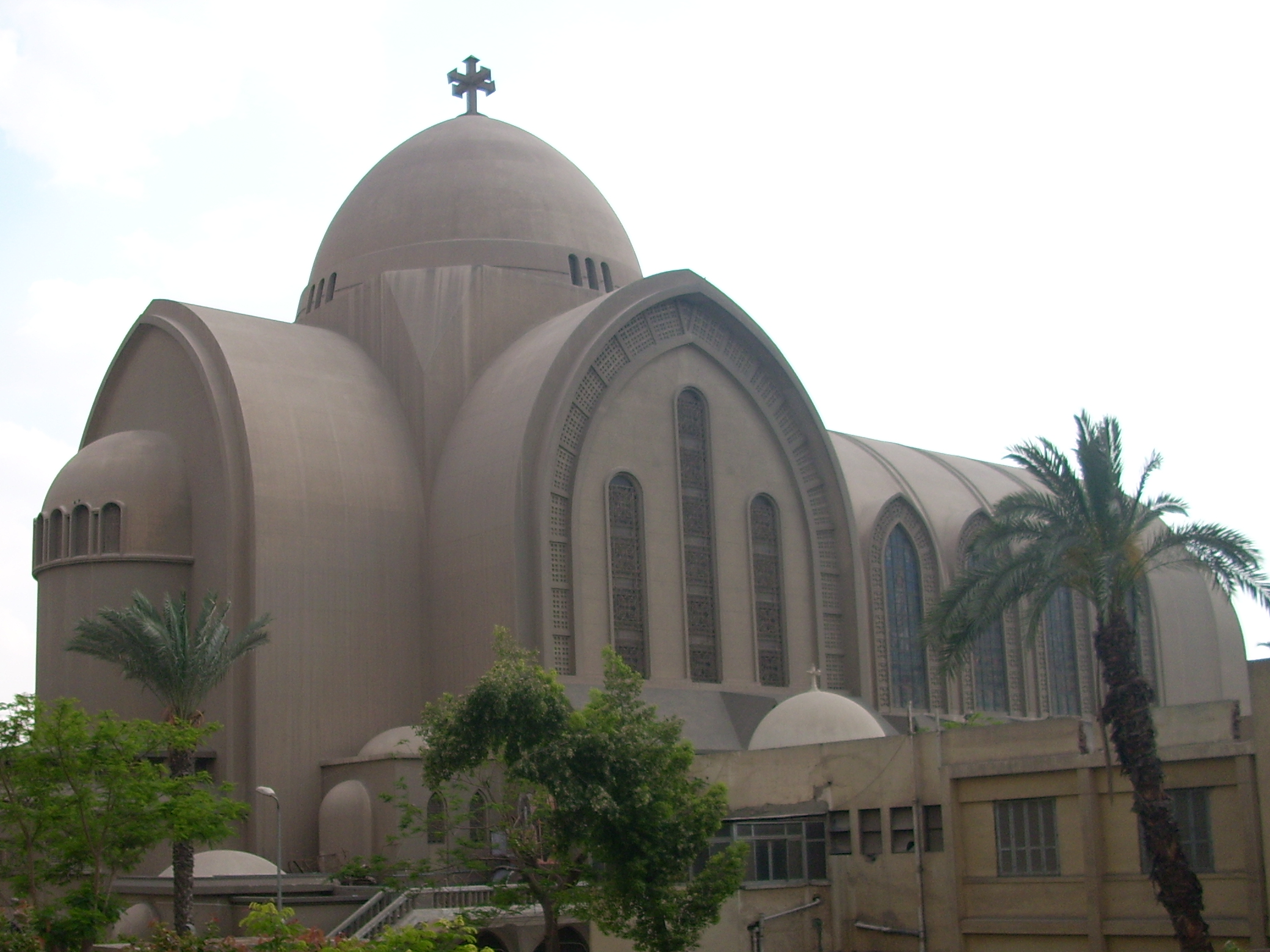
Around the year 60, according to Coptic tradition, Saint Mark the Evangelist arrived in the city and settled there for several years. From there, he succeeded in converting the Egyptian inhabitants to Christianity. On Easter Monday, May 8, 68 A.D., he was slain after being dragged from his feet by Roman soldiers all over Alexandria's streets and alleys. Some time after his death, a distinctly Egyptian Christianity grew up, Coptic Christianity, and in honor of Saint Mark, Alexandria was created as the seat of the Coptic Orthodox Church, at first headed by a patriarch, but later, a Pope, and based in Saint Mark’s Cathedral. The city has retained this status ever since.

The Catechetical School of Alexandria is the oldest Catechetical School in the world. Soon after its inception around 190 A.D. by the Christian scholar Pantanaeus, the school of Alexandria became the most important institution of religious learning in Christendom. Many prominent bishops from many areas of the world were instructed in that school under scholars such as Athenagoras, Clement, Didymus, and the great Origen, who was considered the father of theology and who was also active in the field of commentary and comparative Biblical studies. Many scholars such as Saint Jerome visited the school of Alexandria to exchange ideas and to communicate directly with its scholars. The scope of the school of Alexandria was not limited to theological subjects; science, mathematics and the humanities were also taught there: The question and answer method of commentary began there, and 15 centuries before Braille, wood-carving techniques were in use there by blind scholars to read and write. The Theological college of the Catechetical School of Alexandria was re-established in 1893.

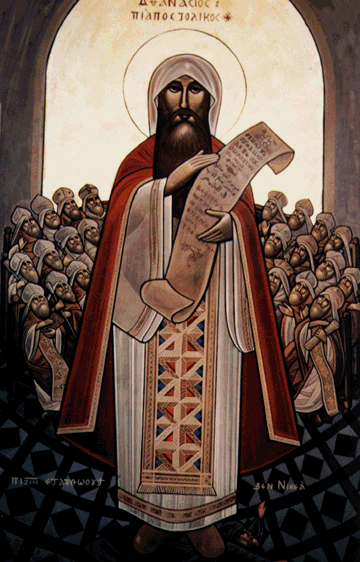
In the 3rd century, Alexandria was plundered by the Romans and the city lost its significance, but the Church survived and thrived and continued to contribute to early Christianity. The Nicene Creed, which is recited in all churches throughout the world, was authored by Saint Athanasius, the Pope of Alexandria for 46 years, from 327 A.D. to 373 A.D.
On 21 July 365, Alexandria was devastated by a tsunami (caused by the Crete earthquake), an event annually commemorated years later as a "day of horror".
Under the authority of the Eastern Roman Empire of Constantinople, the Patriarchs and Popes of Alexandria played leading roles in Christian theology. They were invited everywhere to speak about the Christian faith. Saint Cyril, Pope of Alexandria, was the head of the Ecumenical Council which was held in Ephesus in the year 430 A.D. It was said that the bishops of the Church of Alexandria did nothing but spend all their time in meetings. This leading role, however, did not fare well when politics started to intermingle with Church affairs. It started when the Emperor Marcianus interfered with matters of faith in the Church. He was immediately rebuffed by Saint Dioscorus, the Pope of Alexandria who was later exiled.

Initially, after the Arab invasion in 641, the local indigenous Egyptians were one of the main contributors to the Egyptian navy and they served the news Arab rulers faithfully, figuring prominently in the capture of the island of Rhodes. But this was not to last. Eventually, the indigenous Egyptians suffered periodic bouts of severe persecution which lasts to this day. In the modern period, these persecutions have intensified since the ‘80s and sometimes, even included Christians who are not Copts. Some of the most egregious incidents that took place in Alexandria since 9/11 were: 2005 – an Arab stabs 2 people during a Muslim demonstration, one of the victims was a nun; 2006 – a stabbing spree outside a church kills an elderly man and injures 3; 2011 – 23 are killed and 77 injured when a suicide bomber blew up a church during and New Year’s Day church mass; 2013 – a group of Arabs stab a Coptic woman on the street injuring her; 5 were murdered outside a church; 1 was killed and 3 injured when a church was bombed; a Coptic taxi driver is dragged from his car and decapitated; 2015 – terrorists open fire on a church bus, miraculously, only 4 were injured; 2017 – a suicide bomber kills 18 Copts and injures 48 just outside a church; a stabbing spree at a church left one guard injured.

Here is a brief summary of Alexandria’s other ancient sites:

The Heptastadion was the ancient causeway built by the local population to connect the city to Pharos Island on which, the famous ancient Lighthouse stood. In the ensuing centuries since, this area was abandoned – the Lighthouse slowly decayed and the causeway filled up with soot. The Lighthouse was finally destroyed by an earthquake in the 14th century and it was replaced with the Mameluke Citadel of Qaitbay. Today, the former causeway (now occupied by an Arab settlement Ras al Tin) has created 2 harbors. The one on the west side, the busiest, is the Western Harbor. On the east is the Eastern Harbor. The Alexandria National Museum was founded in 2003 on the site of an old Arab palace on Tariq Al-Horreya Street and contains about 1,800 artifacts that narrate the story of Egypt, and Alexandria in particular; the ancient Coptic Church of Saint Mary and the Bibliotheca Alexandrina is located at the eastern end of the harbor just south of the tiny peninsula that juts into the sea. The Bibliotheca was originally a Hellenist library built in the 3rd century BCE. The present library was opened in 2003.
The city center lies to the south of the Eastern Harbor. Here, in the neighborhood of Mahattat al Raml on Coptic Church Street, is located the grand Cathedral of Saint Mark, where the Coptic Pope, the leader of Egypt’s indigenous people, officiates. About a mile or so east of the Western Harbor is Pompey’s Pillars located on an ancient acropolis. It is still standing today. Below ground, underneath the site is the Serpaeum, dedicated to the god Serapis, and nearby, are ancient catacombs.
Lying to the west of the city is Lake Mariout, roughly 20 miles long and 2 miles wide and separated from the Mediterranean Sea by a strip of land about a mile in width. At the westernmost end of the Lake is the ruined town of Taposiris Magna, today, the Abu Sir District of the Borg al Arab settlement. Many ancient Roman and Greek ruins are scattered throughout the area, and among these, are the well-preserved remains of the Temple of Osiris. Nearby, is the supposed burial place of Cleopatra.

List of local Coptic churches and monasteries in the Diocese of Alexandria:
St. Mark Coptic Orthodox Cathedral (Ramleh, Alexandria, founded as part of College Saint Marc. Located on Port Said Street, the College is multi-denominational and conducts services according to the Latin Catholic, Coptic Catholic and Coptic Orthodox rites.)
St. Samuel & St. Abraam Coptic Orthodox Church (Alexandria)
The Saints Coptic Orthodox Church (Alexandria)
St. Damiana Coptic Orthodox Church (Arif Bey)
St. George Coptic Orthodox Church (Anhar)
St. George Coptic Orthodox Church (Mattaqi, Bakos)
St. Cyril I Coptic Orthodox Church (Cleopatra)
St. Mary Coptic Orthodox Church (Fawakih)
St. Menas Coptic Orthodox Church (Hurriya, Flemeng)
St. George Coptic Orthodox Church (Gianaclis)
St. Mercurius Coptic Orthodox Church (Hadrah)
St. Mercurius Coptic Orthodox Church (Hilmiya)
St. George Coptic Orthodox Church (Maks)
St. Shenouda Coptic Orthodox Church (Maks)
St. George Coptic Orthodox Church (Mandara)
St. Menas Coptic Orthodox Church (Mandara)
Basilica of Arcadius Coptic Orthodox Church (Mariout)
St. Menas Coptic Orthodox Church (Mariout)
St. George & St. Anthony Coptic Orthodox Church (Moharam Bek)
St. Mary Coptic Orthodox Church (Moharam Bek)
St. George Coptic Orthodox Church (Abu Qir, Montaza )
St. Mary Coptic Orthodox Church (Assafra, Montaza)
St. George Coptic Orthodox Church (Saqf, Montaza)
St. Mark & St. Peter the Martyr Coptic Orthodox Church (Sidi Bishr, Montaza)
St. Mary & St. Joseph Coptic Orthodox Church (Semoha)
St. George Coptic Orthodox Church (Canal al-Suways, Shatby)
St. Theodore Coptic Orthodox Church (Canal al-Suways, Shatby)
St. George Coptic Orthodox Church (Sporting, Alexandria)
St. Peter the Martyr Coptic Orthodox Church (Brucheion) (destroyed)
St. Theodore Coptic Orthodox Church (Brucheion) (destroyed)
Archangel Raphael Coptic Orthodox Church (Island of Pharos) (destroyed)
St. Faustus Coptic Orthodox Church (Island of Pharos) (destroyed)
St. Sophia Coptic Orthodox Church (Island of Pharos) (destroyed)
Archangel Michael Coptic Orthodox Church (destroyed in the 7th century)
Archangel Michael Coptic Orthodox Cathedral (destroyed in the 7th century)
St. Athanasius Coptic Orthodox Church (destroyed in the 7th century)
St. Cyrus & St. John Coptic Orthodox Church (Abu Qir) (destroyed in the 7th century)
Virgin Mary Coptic Orthodox Church (destroyed in the 7th century)
St. John the Baptist Coptic Orthodox Church (Pompey's Pillar) (destroyed in the 10th century)
St. Damiana Coptic Orthodox Convent - (Damietta)
St. Mercurius Coptic Orthodox Nunnery - (Alexandria)
Ennaton Coptic Orthodox Monastery - (Dakahlia) - (uninhabited)
Metanoia Coptic Orthodox Monastery - (East Alexandria) - (uninhabited)
Oktikaidekaton Coptic Orthodox Monastery - (Alexandria) - (uninhabited)
Pempton Coptic Orthodox Monastery - (Mariout, Alexandria) - (uninhabited)
St. Cyprius (Dair Qabriyus) Coptic Orthodox Monastery - (Northeast Alexandria) - (uninhabited)
St. Menas Coptic Orthodox Monastery - (Abu Mena) - (Destroyed)

EIN HAROD, ISRAEL

מבט כללי על עין חרוד איחוד לכיוון דרום 01.jpg
courtesy Wikipedia
Ein Harod is a kibbutz in the lower Galilee, roughly 18 miles southwest from the Sea of Galilee, abutting Kibbutz Tel Yosef on the west and nestled near the northern foothills of Mount Gilboa. This was the first kibbutz in the Jezreel Valley, founded in 1921 by Russian Jews. The early settlers would utilize the nearby stone quarry in the building of roads and other local infrastructure. The kibbutz was built near the site of Maayan Harod where, according to Judges 7:1, Gideon, judge of Israel, brought his army to drink at the nearby spring in order to choose the most ablest of men to fight against the Midianites. Several millenia later, at what became the Battlefield of Ayn Jalut, the Mongols were defeated for the first time in 1260, by the Egyptian Mamelukes. Today, the community is split in 2 – Ein Harod Ihud and Ein Harod Me’uhad – and has a total population of roughly 1000.
Sites include:
Kumi Hill, in the northeast of the kibbutz, part of a hilly area covering the entire eastern border of both the kibbutz and Tel Yosef;
Ein Harod Ihud covers the northern half of Ein Harod. It was formed in 1952 over ideological differences with the southern half of the kibbutz and became part of the Ihud HaKvutzot v’HaKibbutzim movement;
Ein Harod Meuhad covers the southern half of Ein Harod. It was formed in 1952 over ideological differences with the northern half of the kibbutz and became part of the Kibbutz Meuhad movement;
Mishkan Le'omanut, one of the first art museums in Israel, founded by the early kibbutz members. It was inaugurated in 1948 and has on display, thousands of artwork collections and is home to many art shows throughout the year;
The Bet Shturman Museum contains collections of local human and natural history as well as local archaeological exhibits;
The Old Railroad Station, which is nothing more than a shed, served the Jezreel Valley railway during the British Mandate period;
Nahal Harod, an ancient stream from which, the Biblical town of Harod was named. It stretches from the Jordan River a few miles south of the Sea of Galilee, past Ein Harod on the south side where it waters several large fish ponds, and ends on the south side of Kfar Yehezkel;
Mount Gilboa, part of a mountain range that almost follows the course of Nahal Harod. It is the home of HaGilboa Nature Reserve;
Maayan Harod, today, an archaeological site that also contains an ancient amphitheater, lies a few miles west of Ein Harod between Kfar Yehezkel and Kibbutz Yizre’el. 

TERRITORIAL TRIBE OF JUDAH

Image result for LANDSCAPE OF JUDEA
courtesy Brigham Young University Digital Library
Judah (Heb. Yehuda), the founder of the tribe of Judah, was the fourth son of the Patriarch Jacob and his wife Leah. According to Biblical accounts, after her son was born, Leah exclaimed, "This time I will praise the Lord" (Heb. transl. "ODEH et Adonai"), hence, the name.  

In the Book of Joshua, Chapter 15, we find that after the Israelite conquest of Canaan by Joshua, this tribe received a large inheritance of land which stretched from the western shore of the Dead Sea, westward to the Mediterranean, and from Bethehem southward to the Negev Desert, and included the site of Kadesh Barnea, a major Israelite encampment during the Exodus, as well as Gaza, Ashdod, Ekron, Hebron and Yatta. When the Israelite Kingdom split in two, Judah was the dominating tribe of southern kingdom. It was from this tribe that the word “Jew” originated. 

Today, some of the other sites of this territory include:

The Judean Desert south of Jerusalem (Jerusalem was never part of Judah);
Beersheba, sometimes called the “capital of the Negev” and roughly 45 miles slightly southwest of Jerusalem. 
The Shephelah, the southern coastal plain (excluding Gaza District), characterized by rolling hills and meadows and containing the cities of Ashdod, Ashkelon, and Kiryat Gat. It covers the western section of the Valley of Elah.
The Valley of Elah stretches from the Adulam Caves, about 18 miles west of Bethlehem, continuing westward to the coastline. It is the site where David fought Goliath;
Bethlehem, on Jerusalem’s southern border, birthplace of David and Jesus and burial place of the Hebrew Matriarch Rachel. Her tomb is on the city’s northern border and was a Jewish place of pilgrimage since time immemorial;
Hebron, one of the four holiest cities in Judaism, about 20 miles south of Jerusalem. It is where King David held court before he made Jerusalem capital of Israel. Since medieval times, the city has centered around the Cave of the Patriarchs, or Machpelah, where the Hebrew patriarchs and matriarchs, Abraham and Sarah, Isaac and Rebecca, and Jacob and Leah (see above for Rachel's burial place) are buried. It has also been a place of Jewish pilgrimage since time immemorial. The city dominates the Judean Desert region.
Yatta, the home of the Makhamra family, a crypto-Jewish "Palestinian" family long resident in the city; 
el Arish, today in the Sinai Peninsula, for centuries, the home of an intermittent Jewish community and a major stopping-off point for Jewish pilgrims on their way from Egypt to the Land of Israel;
Maon, a few miles south of Hebron, is today, a small religious Jewish town, founded in 1982. It started out as an army outpost and was built near the Biblical site of Maon mentioned in the Book of Joshua. The Arab settlement of Ma’in is nearby.
The Negev Desert, the great southern expanse of Israel south of the Judean Desert.
The Dead Sea, the lowest place on earth as well as a resort area. Its western coastline was the easternmost extent of Judah while its eastern coastline, today in Jordan, was the westernmost extent of the tribe of Reuben as well as of the Kingdom of Moab. The southern portion of the Sea is supposedly where the cities of Sodom and Gamorrah were located. The modern Kibbutz Ein Gedi, about midway on the western coast, was where David hid from King Saul. Surrounding Ein Gedi is the Ein Gedi Nature Reserve, Masada, where the last stand of the Jews against the Romans took place in 73CE, and the Qumran Caves where the Dead Sea Scrolls were discovered.

Sunday, April 7, 2019

ISRAEL

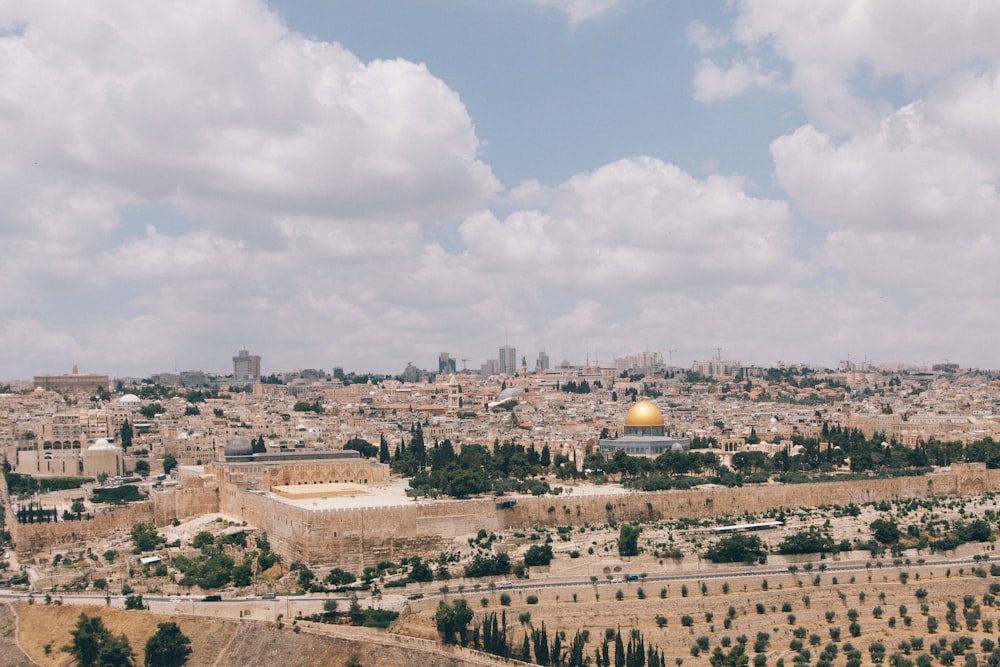
Image result for landscape of ISRAEL
courtesy Unsplash.com

Israel is a small country located in the Middle East. It is bounded on the north by Lebanon and Syria, on the east by Jordan, on the south by the Gulf of Aqaba, and on the west by the Sinai Peninsula and the Mediterranean. Israel declared its independence on May 14, 1948 (but Independence Day is celebrated each year according to the Jewish calendar (5th of Iyyar)). Since then, it has been probably the most hated country in the world, even more so today – more than Syria or Sudan or Islamic State. That’s not to say that everybody in the world hates Israel, but statistically, it is the most hated. Of course, anti-Semitism plays a major role in that. No other country on earth has been the recipient of so many lies and distortion of facts.

According to the CIA World Factbook, out of a list of 191 countries, Israel ranks 28th in terms of GDP and 4th in the Middle East after Qatar, the UAE, and Kuwait. Both Hebrew and Arabic are the 2 official languages. With a population of over 8 million, Israel is a little over 10,000 sq. mi. big or roughly the size of Maryland. (However, the anti-Semites will say that it is smaller. That makes them happy.) The capital and largest city is Jerusalem (all of it) even though not a single country in the world recognizes it as capital. For many years, no foreign embassies were represented there. Instead, they are in Tel Aviv which they consider Israel’s capital. But since President Trump moved the US Embassy there, a few other countries have followed suit, most notably Guatemala, the Czech Republic, and possibly Brazil. And Russia has recently recognized (western) Jerusalem as Israel’s capital. But Britain, on the other hand, still considers Tel Aviv as Israel’s capital and eastern Jerusalem as “occupied Palestinian territory”. Stay tuned. There are a few consulates in Jerusalem, but they try to avoid serving Israeli Jews as much as possible. Domestically, Israel is the only democracy in the Middle East. Not a perfect democracy by any means but still, better than its neighbors. Its government is a unicameral legislature, the Knesset.

Israel’s history is almost 4000 years old and is the ancestral Jewish homeland, I will concentrate here mainly on the leadership of the country. For any particulars about various areas of the country, I suggest you look under the various articles written on this blog.

PATRIARCHS
Abraham (Genesis Ch. 17) (b. Ur)
Isaac, son (Genesis 20:12) (b. Gerar)
Jacob, son (Genesis 25:30-33) (b. Beer Lahai Roi)

EGYPTIAN PERIOD
Joseph, son (Genesis 41:40-45:12)
Ephraim, son (Genesis 48:13-20)
Shutelah, son (Chronicles 7:20-21)
Bered, son
Tahat, son
Eladah, son
Tahat, son
Zabad, son
Shutelah, son

SINAI PERIOD
Moses (Exodus 3:10-18)

JUDGES
Joshua (Deut. 34:9) ruled from Gilgal
Otniel (Judges 3:9) ruled from Hebron
Ehud the Benjaminite (Judges 3:15) 
Shamgar (Judges 3:31)
Deborah (Judges 4:4) ruled from Mount Ephraim
Gideon (Judges 6:14) ruled from Ophrah
Abimelech (Judges 9:1-4) son, ruled from Shechem
Tola (Judges 10:1) ruled from Shamir
Yair (Judges 10:3) ruled from Gil’ad
Jephtah (Judges 11:5-11) ruled from Mitzpe
Ibzan (Judges 12:8) ruled from Bethlehem
Elon (Judges 12:11) 
Abdon (Judges 12:13) ruled from Piraton
Samson (Judges 13:25) ruled from Zorah
Eli (I Samuel 1:9) ruled from Shiloh
Samuel (I Samuel 7:3-6) ruled from Shiloh, he annointed:

HOUSE OF SAUL
Saul (I Samuel 10:1) (c. 1079–1007 BCE)
Ishbosheth, son (II Samuel 2:8–9)

HOUSE OF DAVID
David (II Samuel 5:3) c. 1004–970 BCE, ruled from Hebron, then Jerusalem
Solomon (I Kings 2:12) son 
Rehoboam (I Kings 11:43) son
THE DIVIDED KINGDOM - The southern Kingdom of Judah remained under the House of David, the northern Kingdom of Israel under various dynasties. The kings of the northern kingdom are in the indents.
Jeroboam, son of Nebat the Ephraimite, superintendent of public works under Solomon
Abijah (I Kings 14:31) c. 915–913 BCE, son of Rehoboam
Asa (I Kings 15:8) son
Nadab, son of Jeroboam, assassinated by:
Baasha, captain of the army
Elah, son, assassinated by:
Zimri, commander of his chariots, killed himself during a seige by:
Omri, commander of the army
Ahab, son, killed in battle
Jehoshaphat (I Kings 15:24) son of Asa
Ahaziah, son of Ahab
Yehoram,  son of Ahab
Yehoram ben Yehoshaphat (I Kings 22:50) son of Jehoshaphat
Ahaziah ben Yehoram (II Kings 8:24) son, nephew of Yehoram (Israel), assassinated
Jehu, an army commander
Athaliah (II Kings 11:3) mother of Ahaziah
Yehoash (II Kings 11:21) – son of Ahaziah,
Yehoahaz, son of Jehu
Yehoash of Israel, son
Amaziah (II Kings 14:1) son of Yehoash of Judah
Jeroboam II, son of Yehoash of Israel
Uzziah referred to as Azariah (II Kings 15:1) son of Amaziah
Zachariah, son of Jerboam II, assassinated by:
Shallum, captain of the army, assassinated by:
Menahem, captain of the army
Pekahiah, son, assassinated by:
Pekah, captain of the army, assassinated by Hoshea:
Yotam (II Kings 15:32) son of Uzziah
Ahaz (II Kings 16:1) son
Hoshea, captain of the army, ruled as the last king of Israel.

DESTRUCTION OF ISRAEL, JUDAH SURVIVES
Hezekiah (II Kings 18:1) son of Ahaz
Manasseh (II Kings 20:21) son
Amon (II Kings 21:18) son
Josiah (II Kings 21:26) son
Yehoahaz (II Kings 23:30) son of Josiah
Yakim (II Kings 23:34) brother 
Yachin (II Kings 24:6) son of Yakim
Zedekiah (II Kings 24:17) – uncle, son of Josiah,  
Gedaliah (II Kings 25:22–23) son of Ahikam advisor to King Josiah; 

HOUSE OF DAVID IN THE BABYLONIAN CAPTIVITY
Yachin (II Kings 25:27) son of Yakim, second rule, appointed in exile by the Babylonian king
Daniel of the House of David (Daniel 5:29-6:2) 
PERSIAN RULE,
HOUSE OF DAVID, return from exile, in conjunction with the High Priests of the House
of Aaron
Sheshbazzar, prince of the House of David (Ezra 1:8-11) 
Zerubbabel (Ezra 3:8) son of Shealtiel. 
Ezra, son of Seraiah, a descendant of the priest Aaron brother of Moses. (Ezra Ch. 7)  
Nehemiah son of Hachaliah (Book of Nehemiah) 
Hananiah (Nehemiah 7:2) brother

THE HIGH PRIEST of the House of Aaron
Joiada, son of Eliashib
Johanan, son of Joiada
Jaddua, son of Johanan, ca. 371-320 BC
GREEK RULE 332 BCE
Onias I, son of Jaddua, ca. 320-280 BC
EGYPTIAN RULE 301 BCE
Simon I, son of Onias, ca. 280-260 BC
Eleazar, brother, son of Onias, ca. 260-245 BC
Manasseh, uncle, son of Jaddua, ca. 245-240 BC
Onias II, nephew, son of Simon, ca. 240-218 BC
SYRIAN RULE 219 BCE
Simon II, son of Onias, 218-185 BC
EGYPTIAN RULE 217 BCE
SYRIAN RULE 198 BCE
Onias III, son of Simon, 185-175 BC, murdered 170 BC
Jason, brother 175-172 BC
Menelaus, uncle, son of Onias II 172-162 BC

HOUSE OF HASMON (MACCABBEES)
Mattityahu son of the priest Johanan of Modiin, descendant of Aaron through his grandson Pinhas
Judah, son – Alcimus succeeded Menelaeus as high priest.
Jonathan, brother – assumed the high priesthood.
Simon, brother – high priest, ethnarch and commander-in-chief. 
John Hyrcanus I, son – also succeeded as high priest.
Aristobulus, son – also high priest.
Alexander Jannaeus, brother – high priest and king.
Salome Alexandra, wife
ROMAN RULE 67 BCE
Hyrcanus II, son – succeeded Alexander as high priest beginning with the rule of Salome.
Aristobulus II, brother – succeeded as high priest. 
Hyrcanus II as high priest, restored
Antigonus, nephew, son of Aristobulus – also high priest

HOUSE OF HEROD
Herod the Great, son of Antipater the Edomite who was an official under Hyrcanus II
Herod Archelaus (4 BCE – 6 CE), son, Ethnarch of the Tetrarchy of Judea

SANHEDRIN NESIIM OF THE HOUSE OF DAVID, office said to have been created during the rule of Ezra; period of the Roman Procurators 
Hillel the Elder (b. Babylonia)
Shimon, son
Gamaliel I, son, whose rule extended into the reign of:

HOUSE OF HEROD resumed, Nasi in the indents
Agrippa I, grandson of Herod the Great (41–44)
Herod II, brother (b. Chalcis, Turkey) (44–48)
Agrippa II, nephew, son of Agrippa I (48–73). 
            Shimon ben Gamaliel I

SANHEDRIN NESIIM OF THE HOUSE OF DAVID
Johanan ben Zakkai moved Sanhedrin to Yavneh
Gamaliel II (80–115) son of Shimon ben Gamaliel I, held court in Yavneh, Usha, and Lod
Eleazar ben Azariah (115–120)
Akiva ruled from Usha
Interregnum (Bar Kokhba revolt) (132–135)
Judah bar Ilai c. 140 moved the Sanhedrin to Usha
Shimon ben Gamliel II, son of Gamliel II
Judah I haNasi (170-220) - son, ruled from Bet Shearim, then Sepphoris
Gamaliel III (220–230) son
Judah II (230–270) - son, ruled from Sepphoris, then Tiberias. 
Gamaliel IV (270–290) son
Judah III (290–320) son
Hillel II (320–365) son
Gamliel V (365–385) son
Judah IV (385–400) son 
BYZANTINE RULE 395
Gamaliel VI (400–425) son    

RULE OF THE SANHEDRIN ARCHIPHERECITES 425-520  
SANHEDRIN NESIIM OF THE HOUSE OF DAVID IN TIBERIAS 520-767
Mar Zutra III/II (b. Babylonia (Iraq), 520-547?), son of the exilarch Mar Zutra I 
Saadia (547?-574?) son
Guriya (574?-601?) son  
Mar Zutra (601?-628?) son
PERSIAN RULE 614-628
Nehemiah ben Hushiel (b. Perisa, 614-617) military commander in Persian army, appointed by the Persians to rule Jerusalem, then overthrown by Persians 3 years later
Benjamin of Tiberias succeeded Nehemiah, pro-Byzantine
BYZANTINE RULE 628
ARAB RULE 636

GEON YAACOV (HOUSE OF DAVID) from Tiberias
Yaakov (628?-655?) son of Mar Zutra
Shemaiah (655?-682?) his son
Haninai (682?-709?) his son; 
Megas 709?-736?, son
Misa 736?-763?, son
Nehemiah 763?-790?, son

KARAITE PATRIARCHY (HOUSE OF DAVID) from Jerusalem; rabbinic rulers in Tiberias in the indents
Anan ben David (b. Babylonia) 767-800 son of the Exilarch, ruled in Jerusalem, 
Abdimi 790?-817? Ruled in Tiberias
Saul 800-821?, Son of Anan, ruled in Jerusalem, 
Pinhas 817?-844? Ruled in Tiberias
Josiah 821?-842?, son
Moses (head of academy?, 842?-863?) son, ruled in Jerusalem, 
Chatzuv 844?-871? Ruled in Tiberias
meir I (head of the academy?, 863?-884) son, ruled in Jerusalem, 
Yehuda ben Alan 871?-898? Ruled in Tiberias
Ẓemaḥ, nasi and gaon 884-915. Son, ruled in Jerusalem, 
Musa 898?-915 son, ruled in Tiberias

GEON YAACOV (HOUSE OF DAVID) moved from Tiberias to Jerusalem
Aaron Ben Meir 915-932 descendant of the Nesiim of the ancient Sanhedrin, overthrew Karaite rule
isaac (son of aaron b. meir) 932-934
…ben meir (brother of aaron) 934-948
abraham b. aaron 948-955 brother, son of Aaron ben Meir
aaron 955-956
joseph ha-kohen b. ezron (ruled two years) 956-958
…(ruled thirty years) 958-988
Samuel b. joseph ha-kohen 988-?
yose b. samuel
shemaiah
Josiah ben Aaron ben Abraham (member of the Great Synagogue, lived in ramle) 1015-1020
solomon b. joseph ha-kohen 1020-1025
Solomon b. Judah (b. Fez, Morocco) 1025-1051 son-in-law, ruled from Jerusalem 1025-1040, from Ramle 1040-1043, from Jerusalem 1043-1051
Daniel b. Azariah (b. Babylonia) 1051-1062 a descendant of one of the families of the exilarchate in Babylonia, nasi and gaon.
Elijah ben Solomon ben Joseph ha-Kohen 1062-1071 
SELJUK RULE 1077  

GEON YAACOV IN EXILE
Elijah ben Solomon Ben Joseph haKohen 1071-1083, from Tyre
Solomon haNasi appointed as “vice gaon” in Jerusalem
Abiathar, son of Elijah, from Tyre 1083-1091, from Tripoli 1091-1094, from Tyre 1094-1124, from Tripoli 1124-1129
Solomon, brother (1093-1127), fled to Hadrak  
CRUSADER RULE 1099
Maẓliaḥ b. Solomon (1127-1138) son, moved from Hadrak to Fostat and called himself rosh yeshivat ge'on Ya'akov. 
Avraham ben Matzhir (1127-1165) grandson of Abiathar, headed the academy when it moved from Hadrak to Damascus. 
Petrus Judaeus (1156) swore allegiance to the Crusader King Baldwin III in Jerusalem. Either Moses ha-Levi b. Nethanel or Samuel b. Hananiah ruled from Fostat after the death of Mazliah.
Nethanel (1160-1170) son of Moses ha-Levi b. Nethanel, held the title of Gaon in Fostat. 
Ezra (1165), son of Avraham ben Matzhir and ordained by the Gaon of Baghdad Samuel ben Ali. ruled from Damascus. 
Zadok (1170s) last Gaon who ruled from Damascus.
Sar Shalom (1170-1195) brother of Nethanel, ruled from fostat, last to hold title of Gaon and rosh yeshivat Ereẓ ha-Ẓevi. 

NAGID OF EGYPT/VICE NAGID OF PALESTINE (in indents)
Maimonides (the "Rambam", b. Spain) (1171/1195-1204) 
MUSLIM RULE 1187
Ovadiah ben Ulah
Avraham ben Moshe (1204-1237), son of Maimonides; 
Hillel ben Moshe 
CHRISTIAN RULE 1228
David ben Avraham (1237-1300), son of Avraham ben Moshe 
MUSLIM RULE 1240 
CHRISTIAN RULE 1243 
KHWARIZMIAN INVASION 1244 
MUSLIM RULE 1247 
MAMELUKE/CRUSADER RULE 1250  

NAGID/SHEIKH AL YAHUD (in indents)
Yehiel ben Yosef (b. France) headed the Midrash haGadol in Paris, and later relocated it (1257) to Acre from where he ruled over Israel.
MONGOL INVASION 1260
Nahmanides (the "Ramban", b. Spain) descendant of Rabbi Isaac ben Reuven; Chief Rabbi of Catalonia, came to Jerusalem (1267) and established his own synagogue from where he, and subsequent Chief Rabbis ruled Israel 
Solomon Petit (b. France) tosafist, ruled mostly from Acre
MAMELUKE RULE
Avraham ben David 1291-1313
Moshe ben Avraham 1300-1305
Yehoshua 1305-1355
Baruch Ashkenazi (b. Spain) 
Isaac Hatikvah (b. Spain) c. 1330
David ben Yehoshua son of Yehoshua (1355-1374)
Amram (1374-1384); 
Yoseph ben Eliezer Tov Elem? (b. Syria) Bible commentator
Shimon (1384-1422) 
Yoseph ben Ovadiah (1422-1430) 
Abd al Latif (1430-1442); 
Elijah of Ferrara (b. Italy) Italian physician, ruled from Jerusalem 1435
Yoseph ben Khalifah (1442-1465); 
Abraham Halevy (b. Spain) 
Shlomo ben Yoseph son of Yoseph ben Khalifah (1465-1482); 
Shalom Ashkenazi (b. Spain) 
Natan Sholal (1482-1504); 
Obadiah of Bertinoro (b. Italy) (1488-1490) Rabbi of Bertinoro and Castello, pupil of
Rabbi Joseph Colon.
Isaac ibn Haim (b. Spain) (1490-1495), took over leadership while Bertinoro was Chief
Rabbi of Hebron.
Obadiah of Bertinoro (1495-1500?) 
Isaac Sholal (b. Egypt) (1502-1516) nephew of Natan Sholal, nagid            
Jacob de Trijal (b. Spain) (1500-1509)
Judah Albotini (b. Turkey) (1509-1519) son of the scholar Rabbi Moses Albotini of Lisbon; formerly Haver of the Bet Din
OTTOMAN RULE 1516

SHEIKH AL YAHUD
Isaac Sholal (1519-1525)
Levi ben Habib (b. Spain) (1525-1545) son of Rabbi Jacob ibn Habib, head of the Sephardic Yeshiva in Salonika; succeeded his father as head of the Yeshiva
Jacob Berab (b. Spain) (1538) rival Sanhedrin, ruled from Safed
Joseph Caro (b. Spain) (1540-1575) ordained by Berab, ruled from Safed
Solomon Sirilio (b. Spain) (1545-1554) rabbinic commentator
David ibn Abi Zimra (b. Egypt) (1554-1567) son of wealthy businessman Solomon ibn Abi Zimra; Chief Rabbi of Egypt
Yoseph Sayach
Haim Vital (1577-1587) son of the Safed scribe Joseph Vital Calabrese; head of Lurianic Kabbalistic circle in Safed; in 1586 the Arabs confiscated the Ramban Synagogue. Therefore, it was decided that the Ben Zakkai Synagogue would take its place. Ever since, this is from where the Chief Rabbi would preside.        
Bezalel Ashkenazi (1587-1592) Chief Rabbi of Egypt
Gedaliah Cordovero (1592-1625) son of Kabbalist Rabbi Moses Cordovero
Shimon Cohen (1625-1640)
Jacob Zemah (b. Portugal) (1640-1646) kabbalist and physician
Israel Benjamin (1646-1649) son of the prominent Rabbi Azariah Zeevi
Baruch Benjamin (1649?-1658?) son
Jacob Hagiz (b. Morocco) (1658-1660) son of Samuel Hagiz, chief rabbi of Fez
Samuel Garmison (b. Greece) (1660-?) Chief Rabbi of Malta
Jonathan Galante son of Kabbalist Rabbi Moses Galante I, Av Bet Din of Safed

RISHON L’TZION
Moses ben Yonatan Galante (1665–1689) son of Jonathan Galante
Moses ben Habib (b. Greece) (1689–1695) descendant of Levi ben Habib
Moses Hayun (1695–1715)
Avraham ben David Yitzchaki (b. Greece) (1715–1728) Haver of Galante Bet Din
Benjamin Hacohen Ma'ali (b. Syria) (1728–1730)
Eliezer ben Jacob Nachum (b. Turkey) (1730–1745) Chief Rabbi of Adrianople
Nissim Chaim Moses Mizrachi (1745–1754)
Isaac Rapaport (1754–1755) Chief Rabbi of Smyrna
Israel Jacob Algazi (b. Turkey) (1755–1756) Head of Yeshivat Bet El
Raphael Samuel Meyuchas (1756–1771) Av Bet Din
Chaim Raphael Abraham Ben Asher (1771–1772) Av Bet Din
Raphael Bula (b. Greece) (1772-1773) member of Bet Din
Yom Tov Algazi (b. Turkey) (1772–1802) son of Israel Jacob Algazi
FRENCH INVASION 1799
Moses Joseph Mordechai Meyuchas (1802–1805) son of Raphael Meyuchas
Mordechai Halevi (1805-1806)
Jacob Moses Ayash al-Maghrebi (b. Morocco) (1806–1807)
Jacob Koral (1807–1813)
Raphael Joseph Hazzan (b. Turkey) (1813–1822) Chief Rabbi of Smyrna
Yom Tov Danon (b. Turkey) (1822–1824)
Solomon Moses Suzin (1824–1836) partly of Mustarabi descent;  
EGYPTIAN RULE 1831
Jonah Moses Navon (1836–1841) Haver  
OTTOMAN RULE 1840
Judah Raphael Navon (1841–1842)

HAHAM BASHI
Haim Avraham Gaggin (b. Turkey) 1842–1848
Isaac Kovo 1848–1854 Jerusalem emissary to Turkey
Haim Abulafia 1854–1860 Chief Rabbi of Damascus
Haim Hazzan (b. Turkey) 1860–1869 son of Raphael Joseph Hazzan
Avraham Ashkenazi (b. Greece) 1869–1880 Av Bet Din in the court of Benjamin Navon
Raphael Meir Panigel (b. Bulgaria) 1880–1893 Hebron emissary to Italy
Jacob Saul Elyashar 1893–1906 son-in-law
Jacob Meir 1906–1907 Av Bet Din in the court of Raphael Israel
Elijah Moses Panigel 1907–1908 nephew of Raphael Panigel
Nahman Batito (b. Algeria) 1908–1911
Moshe Franco 1911 (acting chief rabbi), 1913-1916 (official) Chief Rabbi of Rhodes
Nissim Danon 1916–1918 descendant of Yom Tov Danon
BRITISH RULE 1917
Haim Moshe Eliashar 1918-1921 son of Jacob Elyashar

Below is a list of the presidents/chairment of the VAAD LEUMI, the pre-independence Jewish parliament; the Chief Rabbinate continued after World War I and the establishment British Mandate, and still exists, occupied by an Ashkenazi and a Sephardic. 
Yaacov Thon (b. Ukraine) 1917–1920, Hapoel Hatzair, manager of the Palestine Office in Jaffa - head of a provisional council which preceded the actual formation of the Vaad Leumi in 1920.
David Yellin 1920–1929 Hebrew Language Professor, Deputy Mayor of Jerusalem, elected chairman in the first nationwide elections in 1920, elected again in 1925, resigned office in 1929 due to the Arab riots of that year.
Pinhas Rutenberg (b. Ukraine) 1929–1931 founder, Palestine Electric Co.
Yitzhak Ben Zvi (b. Ukraine) Mapai, MP - elected as chairman in the 1931 elections, held the office until independence in 1948. Elections postponed in the 30s due to the Arab riots and the onslaught of WWII. In 1939, Pinhas Rutenberg was, once again, appointed chairman of the Va'ad while Ben Zvi became President. He held that position until his death in 1942. In the 1944 elections, David Remez (b. Ukraine), was elected as chairman while ben Zvi continued with the title of President.

INDEPENDENCE – KNESSET 
David Ben-Gurion (b. Poland) 1948–1953 Chairman of the Jewish Agency, Mapai
Moshe Sharett (b. Ukraine) 1953–1955, Foreign Minister, Mapai
David Ben-Gurion 1955–1963 Defense Minister
Levi Eshkol (b. Ukraine) 1963–1969 Finance Minister, Mapai, Alignment
Golda Meir who came from Ukraine via the United States 1969–1974 Secretary General of the Labor Party
Yitzhak Rabin 1974–1977 leader of the Labor Party
Menachem Begin (b. Belarus) 1977–1983 Chairman of Likud
Yitzhak Shamir (b. Poland) 1983–1984 Foreign Minister, Likud
Shimon Peres (b. Poland) 1984–1986 Chairman of the Alignment Party
Yitzhak Shamir 1986–1992 Vice Premier, Likud
Yitzhak Rabin 1992–1995 Chairman of the Alignment Party
Shimon Peres 1995–1996 Vice Premier and Foreign Minister, Labor
Benjamin Netanyahu 1996–1999 Member, Knesset Foreign Affairs and Defense Committee, Likud
Ehud Barak 1999–2001 Leader of the Labor Party, One Israel
Ariel Sharon 2001–2006 Leader of Likud, Kadimah
Ehud Olmert 2006–2009 Minister of Finance, Kadimah
Benjamin Netanyahu 2009–2021; Leader of Likud
Naftali Bennett 2021 - 2022; Leader of Yamina
Yair lapid 2022; Leader of Yesh Atid
Benjamin Netanyahu 2022 - present